Mental Health and Wellbeing
Senior Mental Health Lead – Mrs Fiona Oliver
At Hasland Infant school, we believe that positive mental health and wellbeing are at the heart of every child's learning and development. We are committed to creating a safe, caring, and inclusive environment where all children feel valued, respected, and supported.
Mental health is about how we think, feel, and interact with others. Just as we care for our physical health, it is important to nurture our emotional wellbeing. We help children develop confidence, resilience, self-esteem, and positive relationships, enabling them to thrive both in school and beyond.
Through our curriculum, Social Emotional and Mental Health (SEMH) support, and everyday interactions, we encourage children to recognise and express their feelings, build healthy friendships, and develop strategies to manage challenges. We work closely with families and external agencies to ensure every child receives the support they need.
By promoting a culture of kindness, respect, and understanding, we aim to help all children feel happy, safe, and ready to learn.
How do we support children in school?
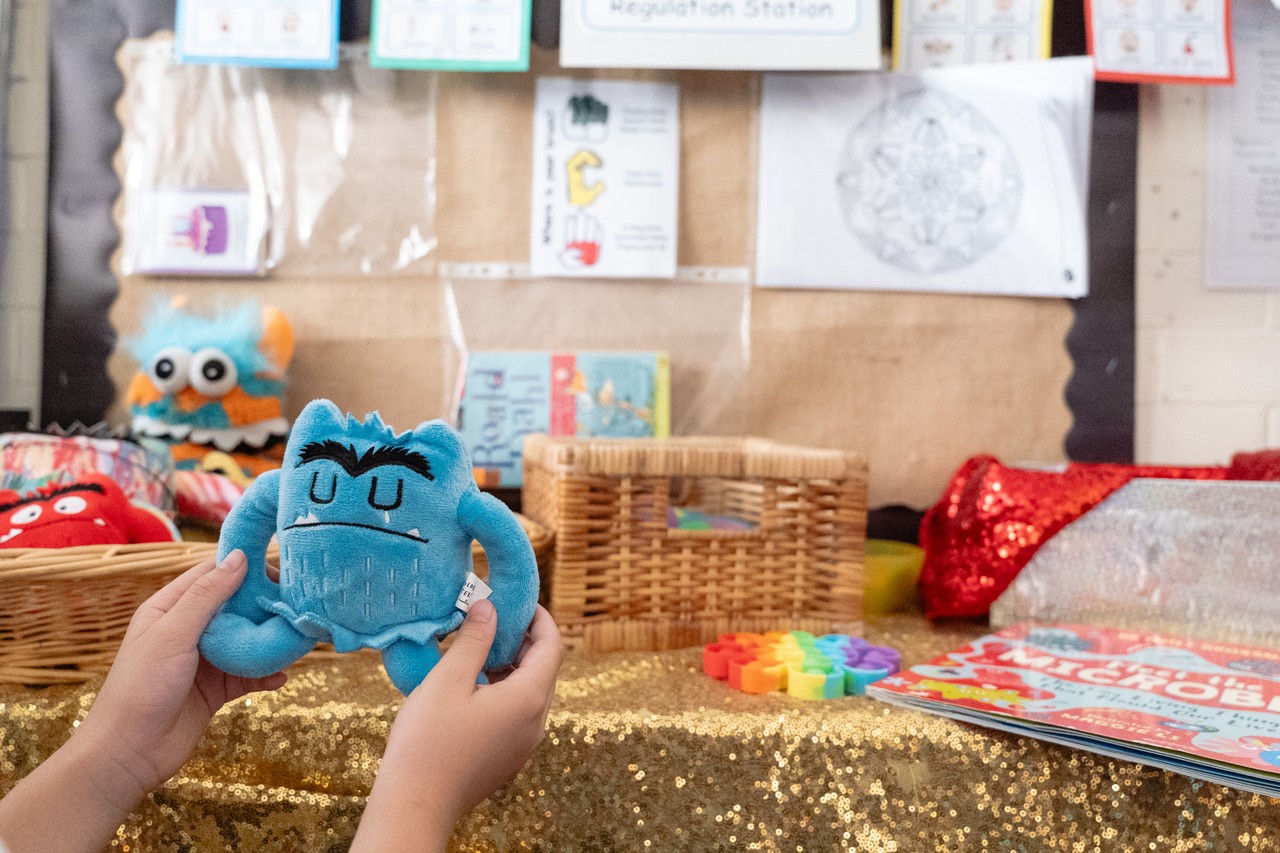 Staff understand the importance of being emotionally available adults for our children and work hard to develop positive, trusting relationships with every child. This helps children to feel safe, valued and able to express their thoughts, feelings and worries in a supportive, non-judgemental environment. Adults regularly check in with the children in their class to ensure they feel heard and supported. Each classroom also has a ‘Worry Monster’, where children can discreetly indicate that they would like to speak to an adult about something that is concerning them. This helps us to identify and address any worries promptly, ensuring children receive the support they need.
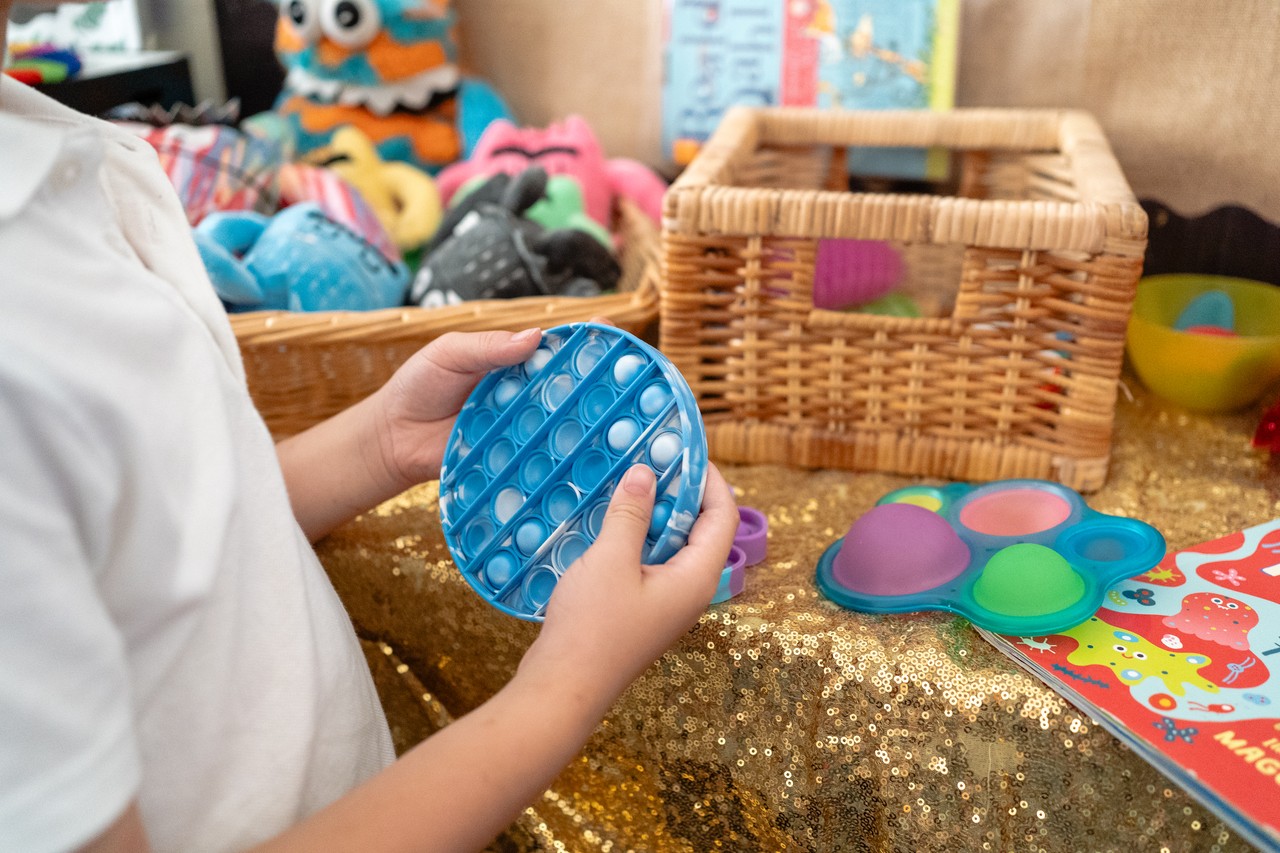 We recognise the importance of supporting our children through co-regulation, modelling and teaching the skills needed to manage their emotions effectively. By explicitly teaching strategies, providing appropriate resources and developing the vocabulary children need to identify and express their feelings, we help them to become increasingly confident and skilled in self-regulation.
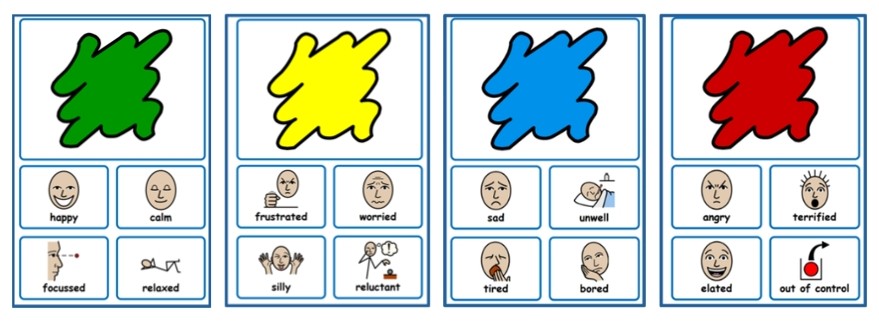
From Nursery to Year 2, children are taught to recognise and name their feelings through the Zones of Regulation in a structured and systematic way. They understand that emotions can change throughout the day and that this is a normal part of life. Children are supported to identify how they are feeling and develop strategies to help them manage their emotions successfully.
Children have access to classroom Regulation Stations where they can select from a range of resources to help them self-regulate. Where a child requires a different approach, adults use their professional judgement and knowledge of the individual child to provide alternative opportunities for regulation. For some children, a walk outside, a visit to Peacocks Paradise or time in t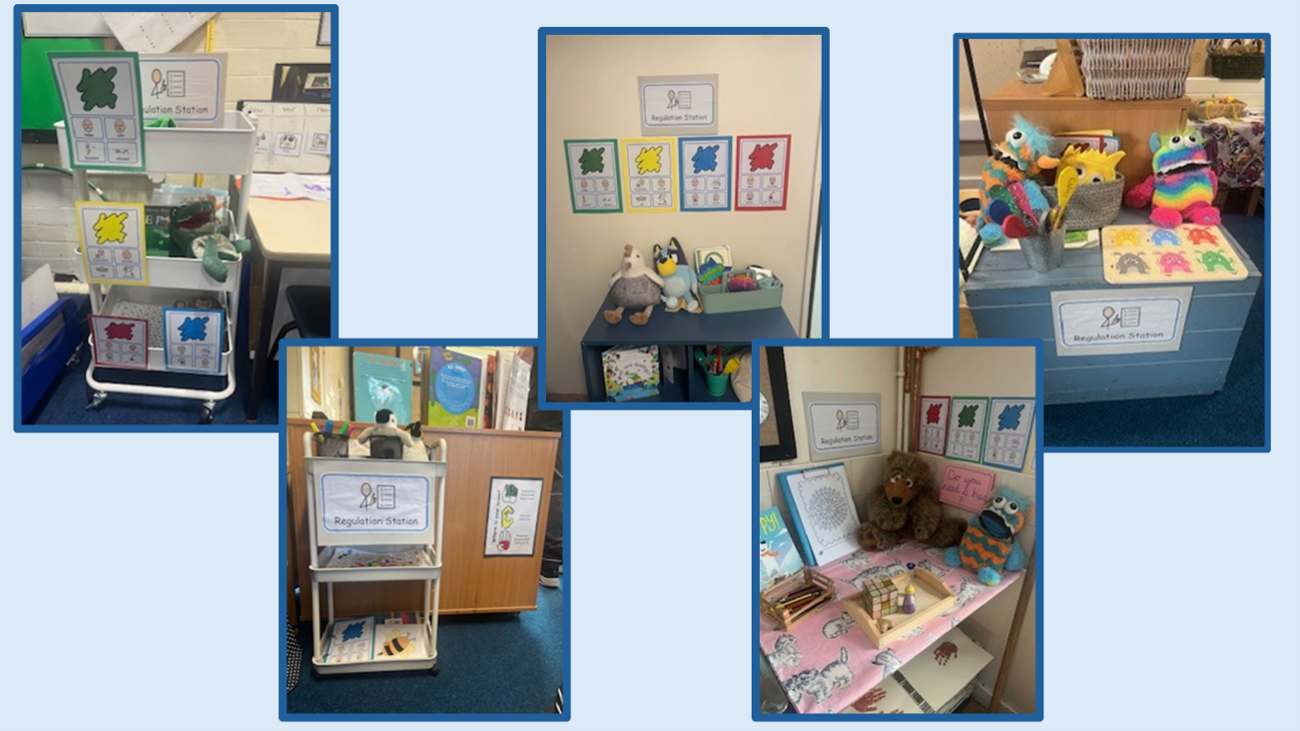 he Magic Room may be the most effective and supportive strategy. Staff know the children well and respond sensitively and appropriately to meet their needs at that particular moment, helping them to feel safe, regulated and ready to learn.
If you have any worries or concerns about your child, or would like to find out more about our mental health and wellbeing support, please do not hesitate to contact me. You can also visit our SEND page for further information about the provision and support available for children with Social, Emotional and Mental Health (SEMH) needs.