Phonics
Sounds-Write
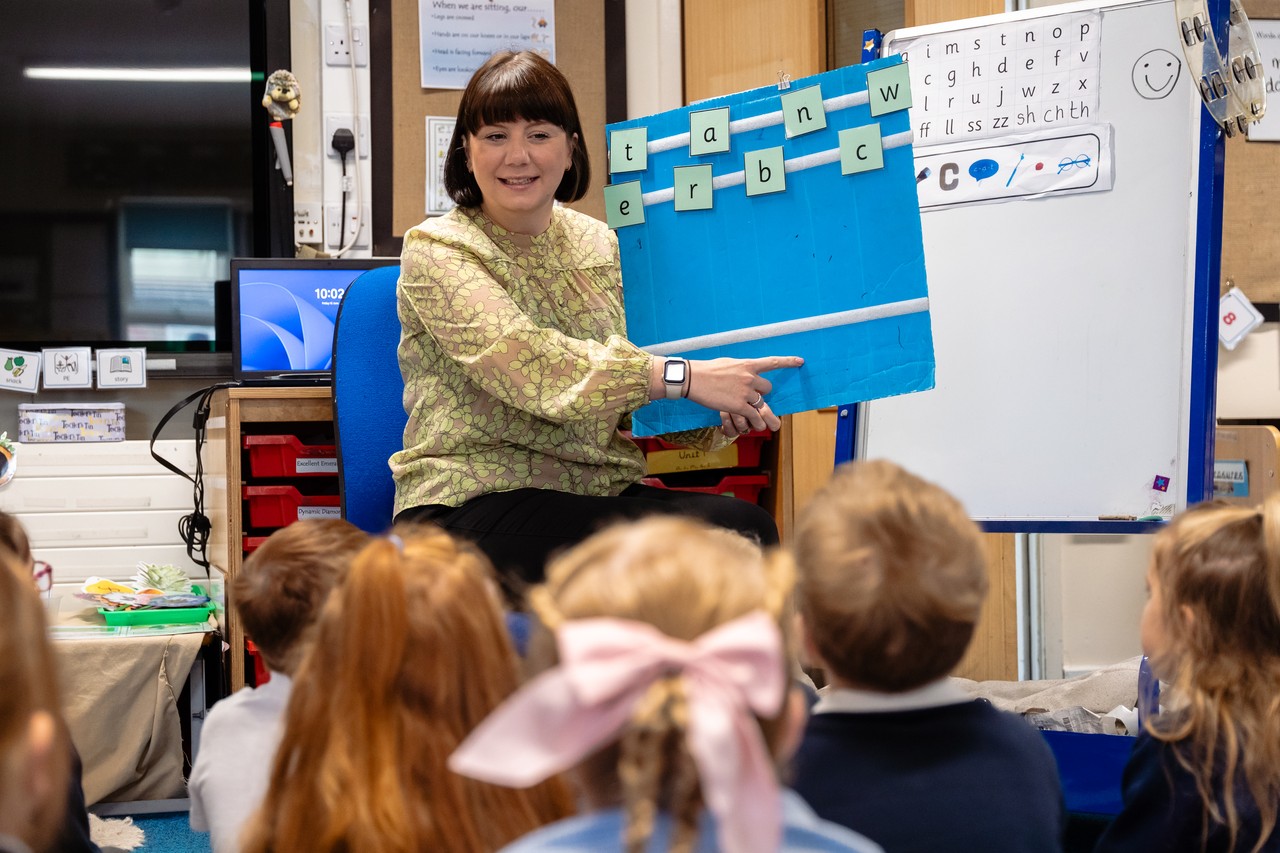 At our school, we teach phonics using the Sounds-Write programme, a structured, evidence-based approach to learning to read and write. Sounds-Write helps children understand that words are made up of individual sounds (phonemes) and that these sounds can be represented by letters or groups of letters (graphemes).
Phonics in Reception
In Reception, children begin their phonics journey by developing their listening skills, learning to identify and produce speech sounds, and making links between sounds and letters. Through daily phonics lessons, children are introduced to a carefully planned sequence of sounds and spellings, enabling them to begin reading and writing simple words as quickly as possible.
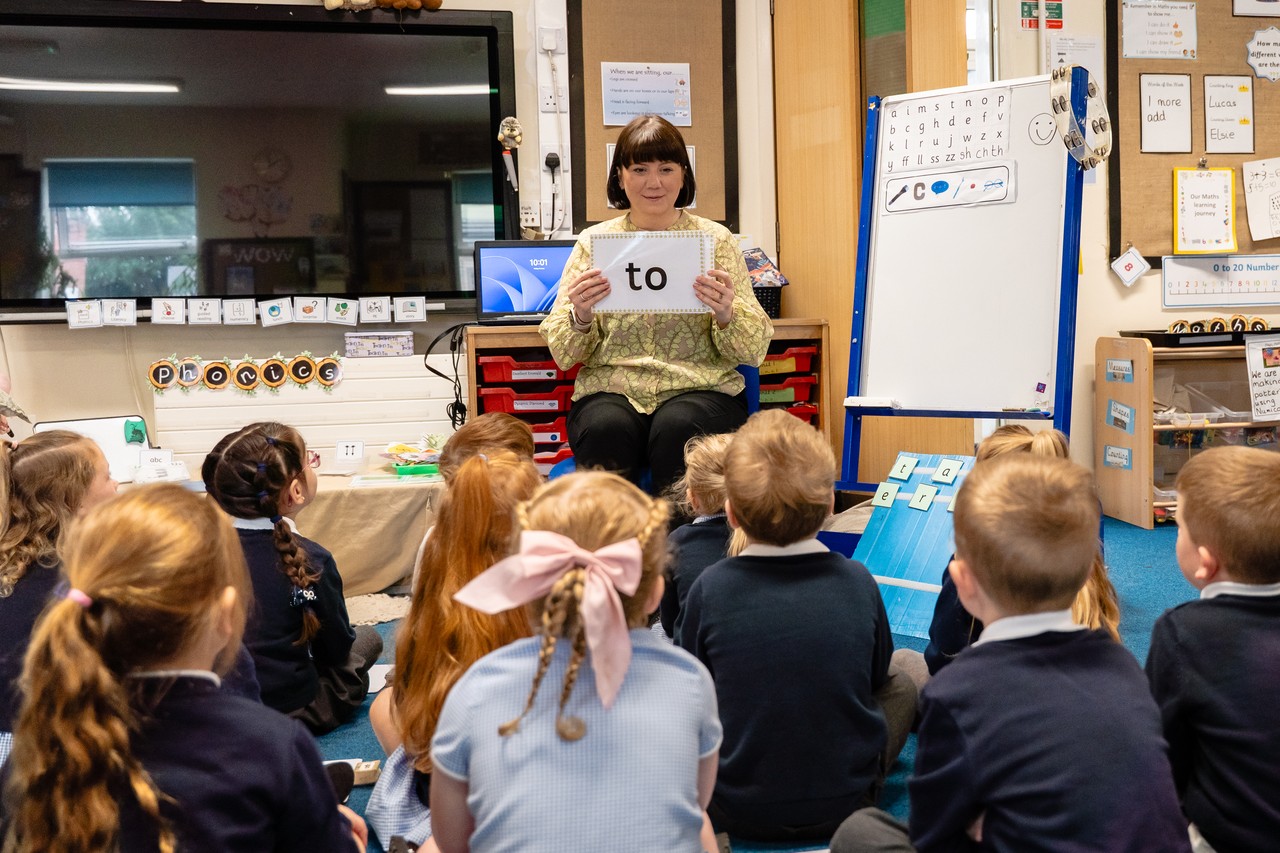 Children are taught three key skills:
· Blending sounds together to read words (e.g. c-a-t → cat).
· Segmenting words into individual sounds for spelling (e.g. dog → d-o-g).
· Phoneme manipulation, where children learn to change, add or remove sounds to create new words.
As their knowledge grows, children learn to read and spell words containing a range of sounds and spellings. They are encouraged to use their phonics knowledge independently when reading and writing simple sentences, and during play-based learning throughout the classroom.
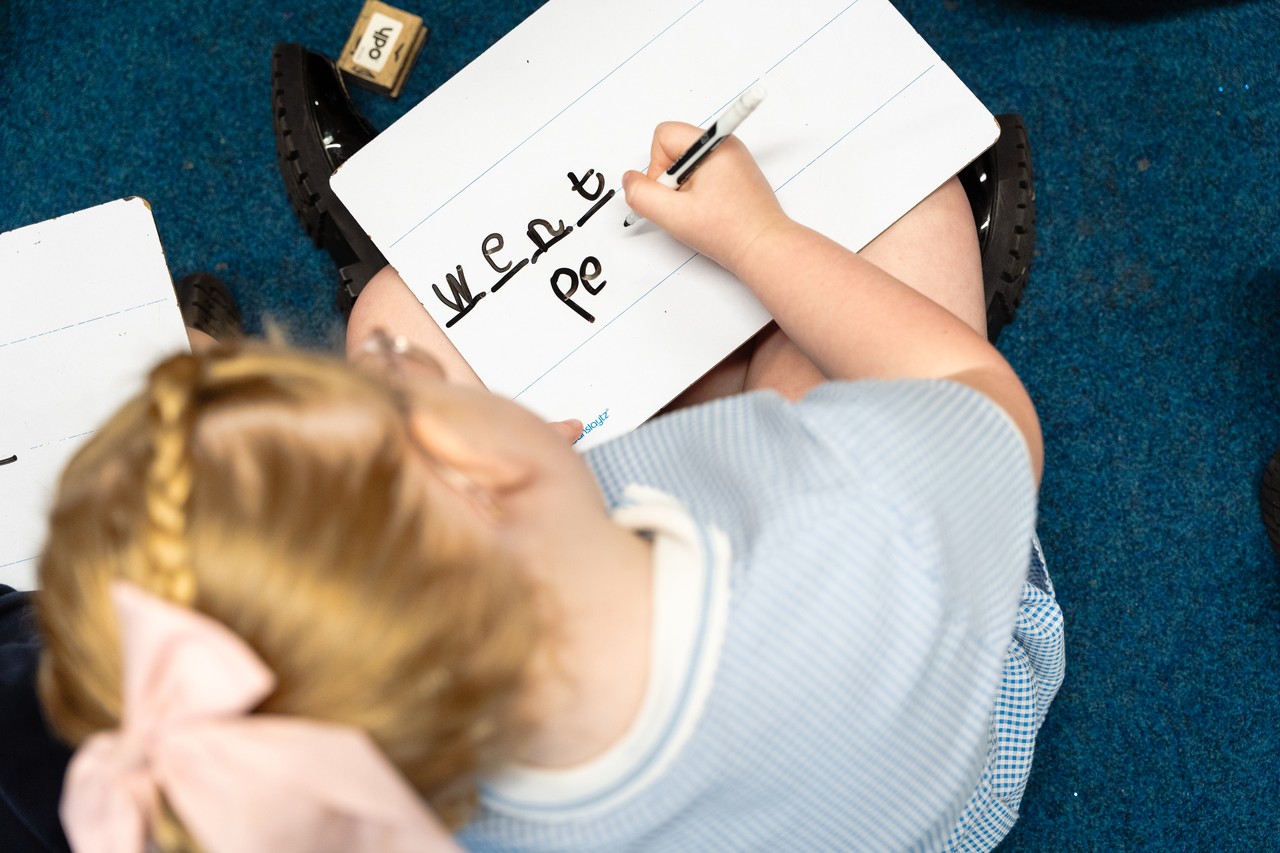 Sounds-Write lessons are interactive, engaging and multi-sensory. Children take part in a variety reading and writing activities that help them develop confidence and enjoyment in reading. Alongside phonics, we place a strong emphasis on developing a love of books through daily story times, shared reading and language-rich experiences.
By the end of Reception, most children will be able to read and write a wide range of simple words and sentences using the phonics knowledge they have been taught. They will have developed the foundations needed to become fluent readers and writers as they move into Year 1.
You can support your child at home by:
· Reading with them every day and sharing a variety of books.
· Encouraging them to spot sounds and letters in their environment.
· Practising any sounds or reading activities sent home from school.
· Playing simple listening and sound games, such as identifying the first sound in a word.
· Praising their efforts and celebrating their progress.
Working together helps children build confidence, develop a love of reading and make a strong start to their learning journey.
Phonics in Year 1
In Year 1, children build on the foundations established in Reception and continue to develop the essential skills needed to become confident readers and writers. Through daily phonics lessons, children learn how sounds work within words and how this knowledge can be used for both reading and spelling.
As children progress through Year 1, they learn a wider range of spellings for sounds and begin to recognise that one sound can be represented in different ways. For example, the sound /ee/ can be written as ee in tree, ea in sea and e-e in these. They also learn that some letter combinations can represent different sounds in different words.
Lessons are practical, interactive and engaging, using speaking, listening, reading and writing activities to help children apply their phonics knowledge. Children are encouraged to use their sounds when reading unfamiliar words and when writing independently across the curriculum.
You can support your child at home by:
· Listening to them read regularly and praising their efforts.
· Encouraging them to use their sounds to work out unfamiliar words.
· Reading stories together and discussing what has happened.
· Practising any sounds, words or reading activities sent home from school.
· Playing simple word and sound games to build confidence and enjoyment.
Phonics Screening Check
Towards the end of Year 1, children take part in the Phonics Screening Check, a short assessment that allows teachers to see how well children can apply their phonics knowledge to read both real and made-up (nonsense) words. The check helps ensure that children are developing the decoding skills needed for successful reading.
Phonics in Year 2
By Year 2, children have already learned many of the fundamental skills needed for reading and spelling. They continue to build on this knowledge by exploring more complex spelling patterns and alternative ways of representing sounds. For example, children learn that the sound /ai/ can be spelt in different ways, such as ai in rain, ay in play, a-e in cake and ea in break.
Lessons are practical, engaging and interactive. Children are encouraged to apply their phonics knowledge when reading books, writing independently and across the wider curriculum. As their confidence grows, they learn strategies to tackle unfamiliar words, become more fluent readers and develop greater accuracy in their spelling.
In Year 2, there is also an increased focus on reading fluency, comprehension and spelling. While phonics remains a key part of daily learning, children are supported to use their phonics knowledge alongside a growing understanding of vocabulary and meaning to become confident, independent readers.
You can support your child at home by:
· Listening to them read regularly and encouraging them to use their sounds to work out unfamiliar words.
· Reading stories together and discussing what has happened in the text.
· Practising any sounds, words or spellings sent home by school.
· Encouraging your child to spot different spellings for the same sound in their reading.