Reading
At Hasland Infant and Nursery School, reading is at the heart of everything we do. We believe that reading is a fundamental life skill that supports children's achievement across the curriculum and enriches their lives beyond the classroom. Reading develops language and communication skills, promotes wellbeing, and inspires curiosity, creativity and imagination.
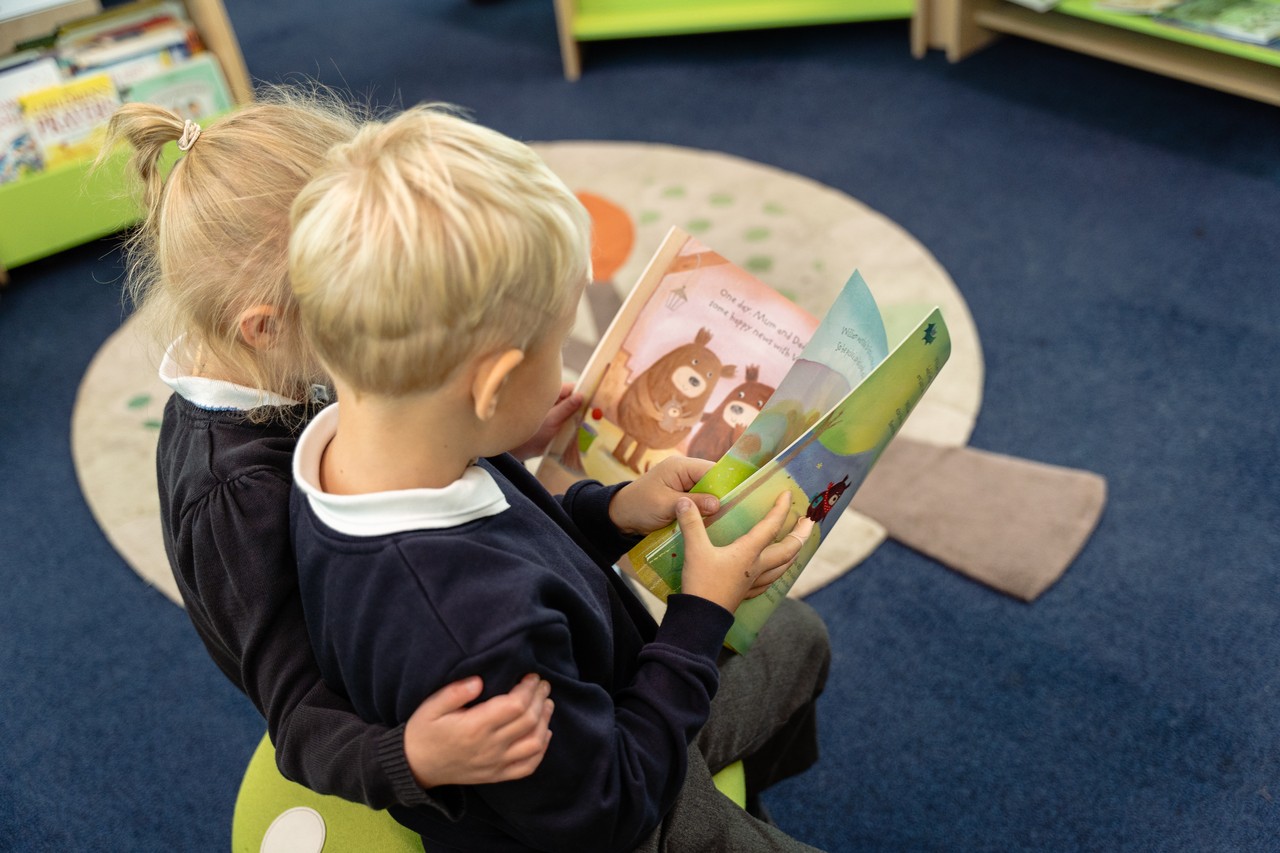 From Nursery onwards, we foster a love of reading through high-quality texts, engaging storytelling experiences and a rich reading culture. Children are encouraged to develop fluency, enthusiasm and a lifelong enjoyment of books, helping them to see themselves as readers from an early age.
We are committed to ensuring that all children experience a wide range of high-quality and diverse texts throughout their time with us. By the time they leave our school, we aim for every child to enjoy reading, choose to read for pleasure and be able to discuss and understand what they have read. Our goal is to nurture fluent, enthusiastic readers who have the skills and motivation to continue their reading journey as they move onto the next phase of their education.
How we teach reading
 Every child in Reception and Year 1 takes part in three timetabled reading practice sessions each week. Children in Year 2 take part in two sessions. These dedicated 20-minute sessions provide regular opportunities for children to practise and apply their reading skills. During each session, teachers listen to every child read individually, ensuring that all children receive focused support and feedback. Each session has a clear teaching focus, enabling staff to provide well-matched instruction and targeted support for individuals and groups, helping all children make strong progress in reading.
Children also benefit from the pre-reading element of each session, where they revisit and practise the sounds, words and tricky words they will encounter in the text. This repeated practice helps to build fluency and automaticity, enabling children to read with increasing accuracy and ease. Key vocabulary is introduced and discussed to support language development and comprehension. Teachers use consistent strategies that mirror those taught in daily phonics lessons, reducing cognitive load and helping children apply their learning successfully when reading.
 Structure of the guided reading week:
Read 1: decoding – this has a clear focus on applying phonic knowledge to word reading.
Read 2: prosody – teaches children to read with prosody, so that they learn to read aloud with appropriate meaning, stress and intonation.
Read 3: comprehension – the final reading session explores comprehension.
Our guided reading approach ensures that every child receives regular practice, support and encouragement as they develop as readers. Through a combination of decoding, fluency and comprehension activities, children build the skills they need to read with understanding and confidence.
We work closely with the English Hub to ensure our reading practice reflects the highest standards. Through ongoing training and support, staff continually refine their expertise, helping every child develop the skills and enjoyment needed to become a successful reader. We want all of our children to see reading as an enjoyable and rewarding part of everyday life and to develop a lifelong love of reading.
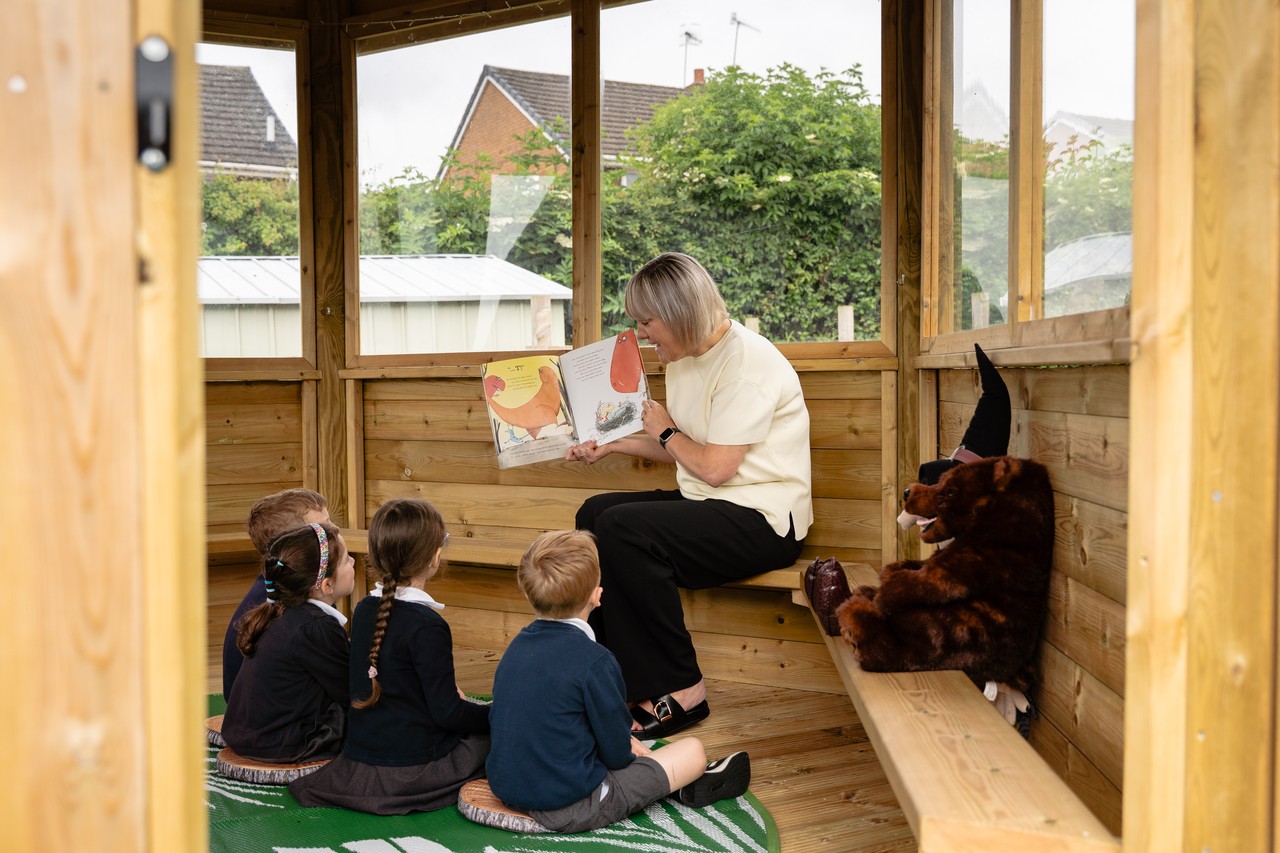 Reading environments
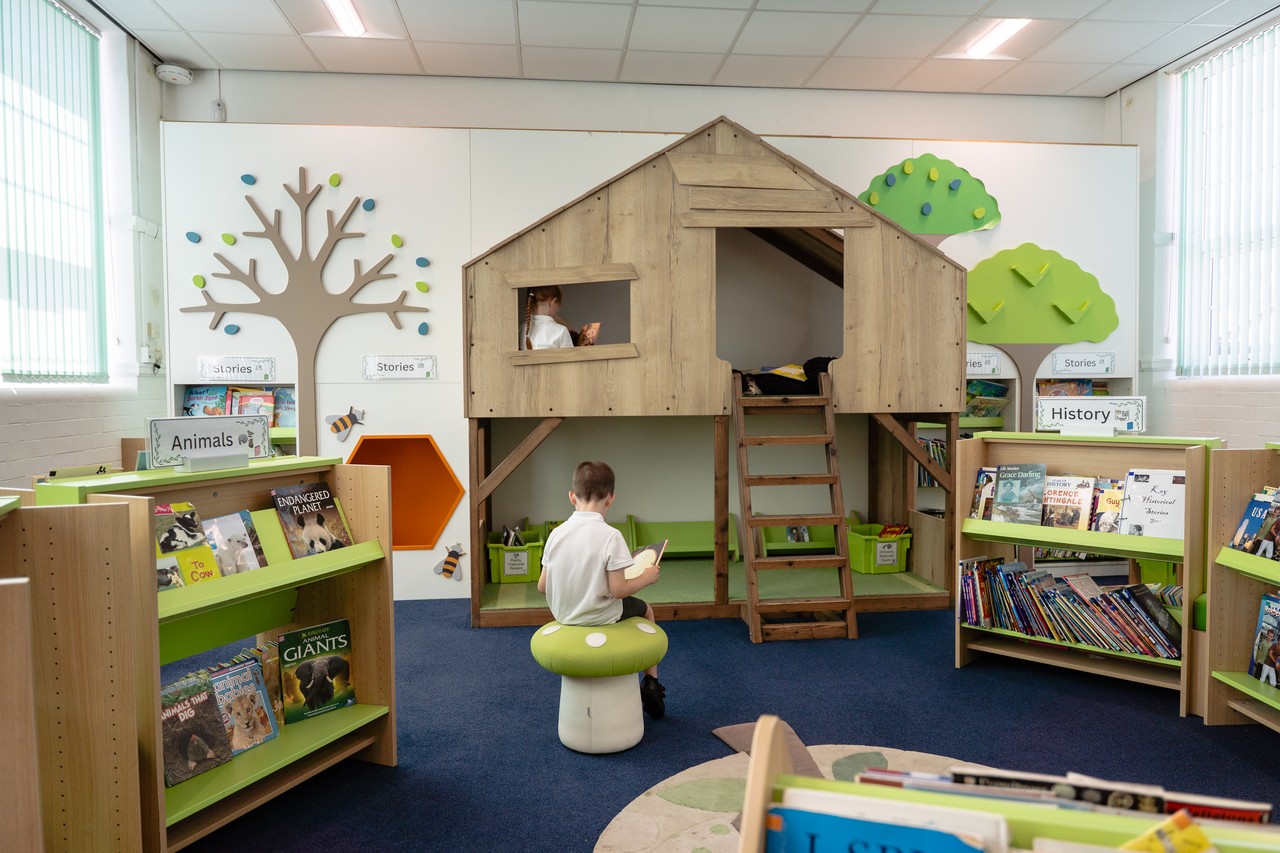
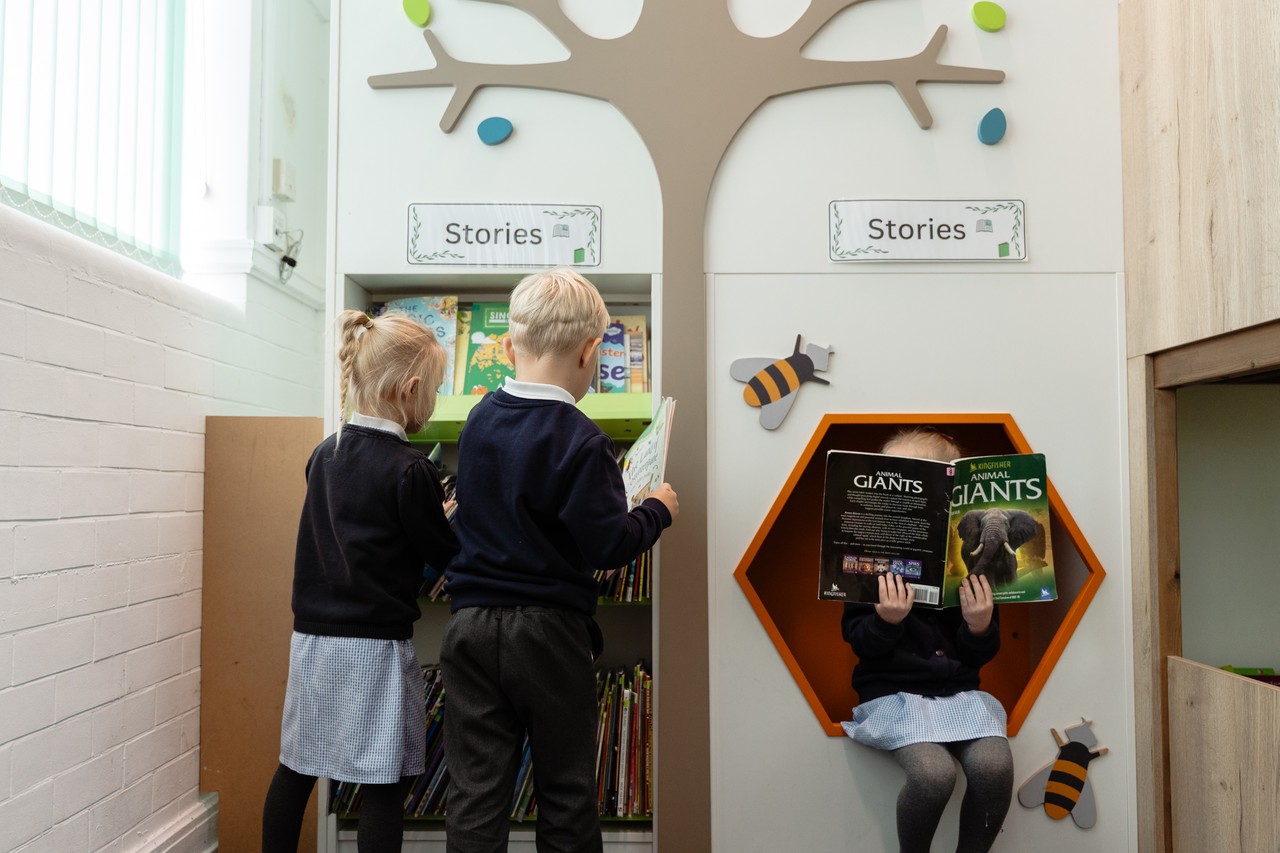
Our social reading environments provide children with opportunities to enjoy books independently or alongside their peers. These include inviting reading spaces throughout the school, including our wonderful library and our outdoor reading garden. Children enjoy spending time in these areas, which further support our commitment to developing a lifelong love of reading and promoting reading for pleasure.